
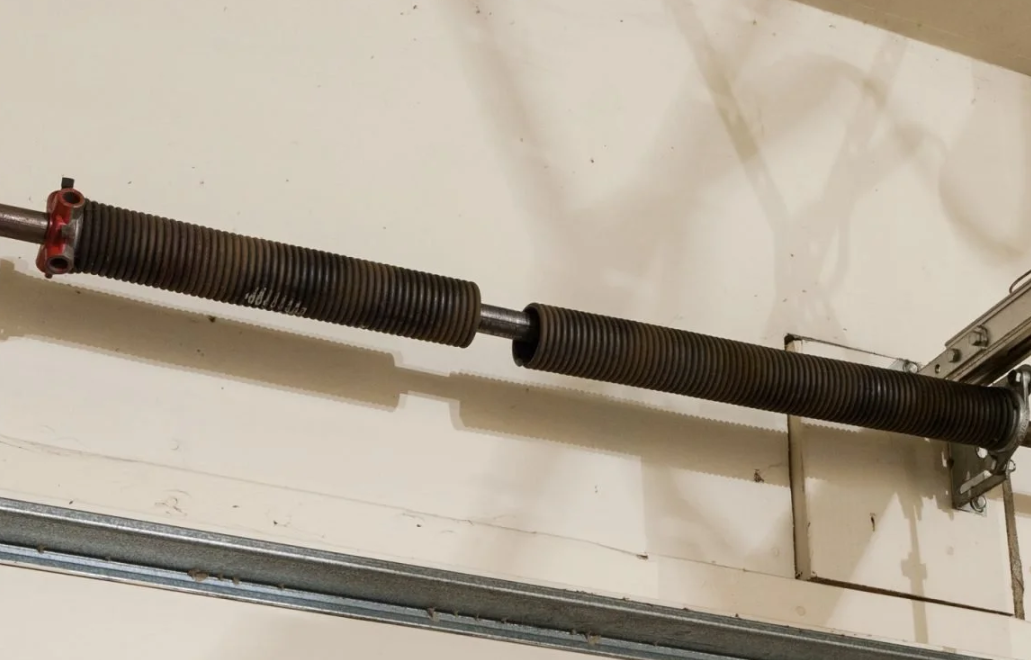
How Long Does a Broken Spring Last?
The simple answer to how long a broken spring lasts is: zero seconds. The moment a spring snaps, it loses its ability to store and release the energy required to lift your garage door. While the physical pieces of metal might sit in your garage for years, the functional life of that component ends the instant the steel coils separate.
Attempting to “stretch” the life of a damaged system by forcing the door open anyway only leads to catastrophic failure of the opener and potential injury to anyone nearby. Understanding the lifecycle of these parts helps you realize that once a break occurs, the only viable path forward is an immediate professional replacement from Lakewood Ranch Garage Door Repair.
The Cycle Rating and Lifespan of Springs
Manufacturers measure the lifespan of garage door springs in “cycles.” One cycle consists of the door opening and then closing once. Most standard-grade torsion springs provide between 10,000 and 15,000 cycles. If you use your garage door four times a day, a typical spring will last roughly seven to ten years. Once the metal reaches its fatigue limit, it becomes brittle and snaps under the immense tension required to counterbalance the door’s weight. You cannot repair a snapped coil; the molecular integrity of the steel has failed, meaning the part has officially reached the end of its useful life.
Environmental Factors and Wear
While cycle ratings provide a general timeline, environmental conditions in Florida can shorten that window significantly. High humidity and salt air cause surface rust to form on the coils. This oxidation creates friction between the rings as they expand and contract, leading to “pitting” that weakens the steel. If you hear a loud “bang” from the garage, the metal has finally given way to this corrosive stress. Without regular lubrication, a spring that should have lasted a decade might fail in as little as five or six years, leaving you with a dead-weight door that refuses to budge.
The Impact of an Imbalanced Door
A spring doesn’t always snap cleanly; sometimes it simply loses its tension over time, becoming a “stretched” or fatigued spring. While not yet a fully broken spring, a fatigued one forces your garage door opener to do all the heavy lifting. This extra strain quickly burns out the motor’s capacitors and strips the plastic drive gears. If you notice your door moving slowly or if it feels incredibly heavy when you pull the emergency release cord, your springs have likely reached the end of their functional lifespan. Ignoring these warning signs ensures that a total break will happen at the most inconvenient possible moment.
Why Immediate Replacement is the Only Option
Homeowners often ask if they can wait a few weeks to fix a snap, but a garage door system cannot function safely without a counterbalance. Using the door in this condition puts immense pressure on the tracks, rollers, and cables. One side of the door will likely lift faster than the other, causing the panels to twist and potentially pop out of the tracks. This creates a falling hazard that could crush property or cause severe physical harm. Total replacement of the spring system remains the only way to restore the safety and structural integrity of your home’s largest moving part.
Don’t let a failed component compromise your home’s security or your family’s safety. A broken spring transforms your garage door into a dangerous liability that can fail completely without a moment’s notice. Rather than risking a DIY repair or ignoring the problem, trust an expert to recalibrate your system and install high-quality, high-cycle replacements. For fast, professional service and a door that operates smoothly once again, contact Lakewood Ranch Garage Door Repair to schedule your appointment and get your home back in working order today.